During the month of January 2026, I spent my time getting lost in the pages of Weyward by Emilia Hart.
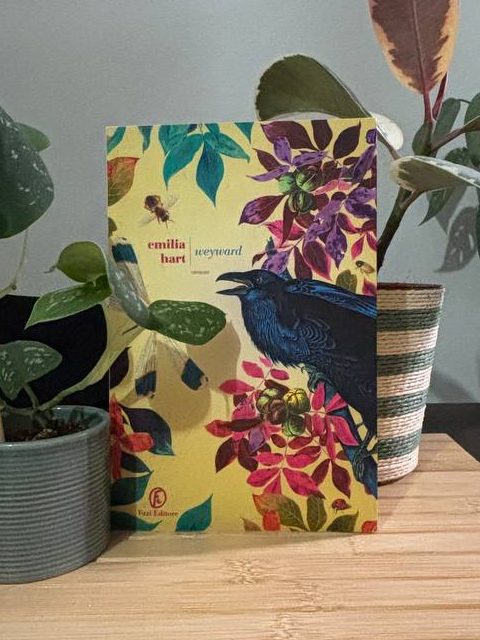
I truly loved the flow of the story and how the lives of the three protagonists—Altha, Violet, and Kate—intertwine so seamlessly. At times, I felt a deep sense of empathy for these three women; I see a reflection of myself in their ‘otherness.’ We even share the same passions, like a deep love for plants and insects.
The book weaves together three harrowing yet empowering stories of revenge and rebirth. Altha is on trial for witchcraft, accused after witnessing the death of an old friend’s husband. Violet has spent her entire life believing she had to suppress her true lineage, having endured abuse and violence from the very men who should have protected her. Finally, Kate chooses to start over, escaping the suffocating stress of city life and the shadow of an abusive partner.
In Weyward, the stories of these three women take shape through a shared past: they are survivors of violence who refused to be overwhelmed, finding instead the inner strength to bloom anew. This is the most powerful and significant message I took away from Emilia Hart’s pages.
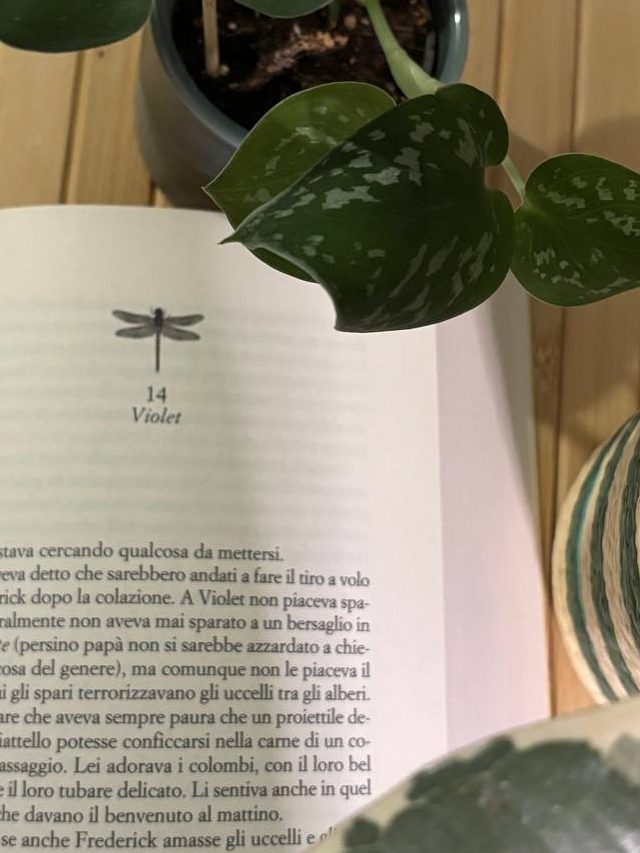
The character I loved most is Violet, a fifteen-year-old forced to live in ignorance under the shadow of a stern father. She is the woman I empathized with the most. We share a deep love for insects and the natural world. Her devotion to tiny creatures reminded me of how, after the rain, I always try to save the earthworms and snails that come to the surface for oxygen, risking being crushed by passersby. In my opinion, Violet’s story is the most carefully crafted. She marks the transition between past and present, and this role as a bridge makes her feel even more vibrant and real.
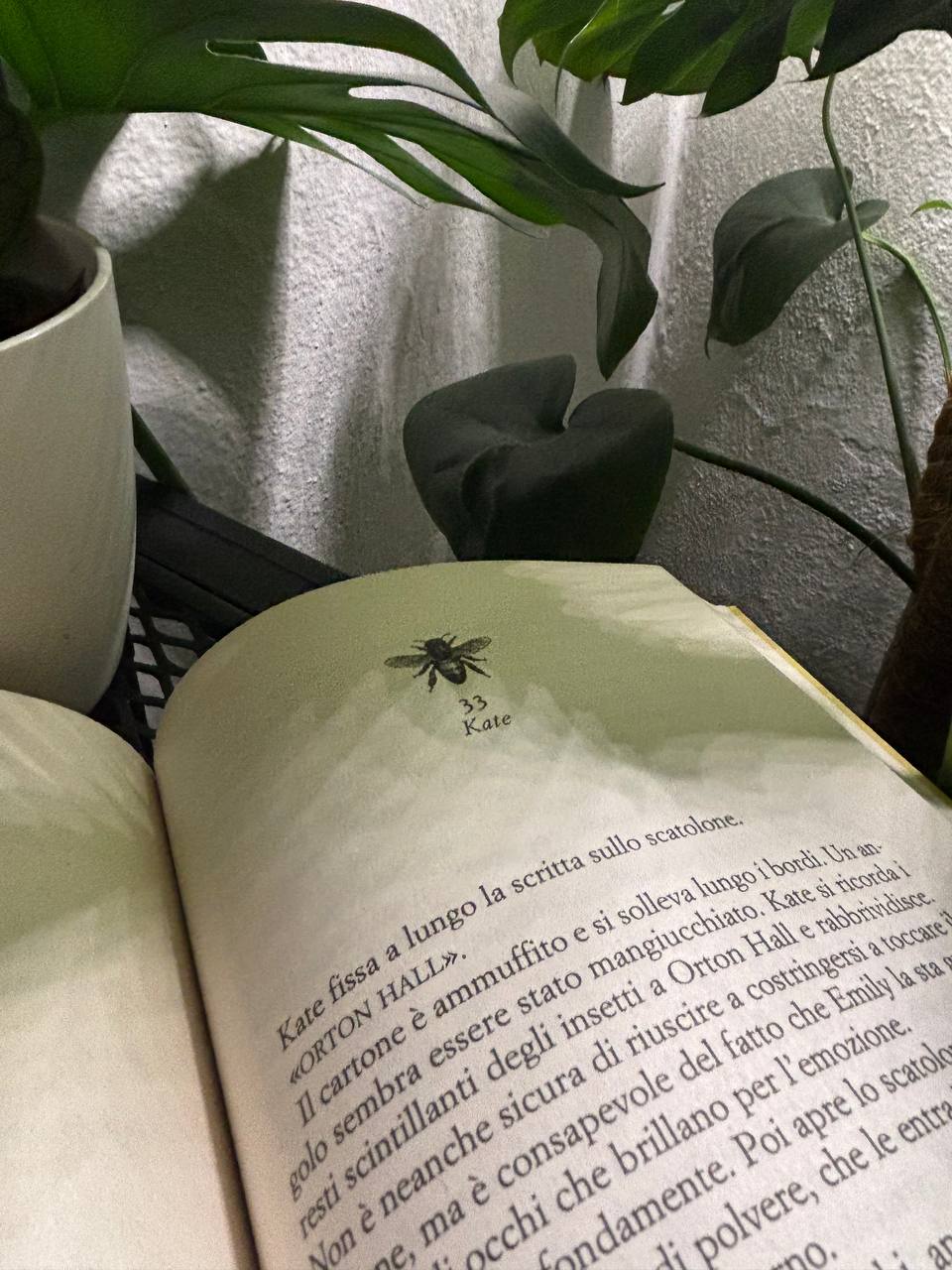
Kate, on the other hand, was the character I struggled with the most. While I deeply admired her willpower in escaping the clutches of the ‘animal’ she had for a husband, I felt the construction of her character was somewhat flawed. Let’s look at why. Being the character closest to our modern times, she enjoys many advantages compared to Altha or Violet—advantages she uses to flee and take refuge in a deceased relative’s cottage. However, a man as mad and possessive as Kate’s husband is described would never allow her to own a car, especially if he feared she might run away at any moment.
Furthermore, upon arriving at the cottage, the first thing Kate does is throw herself onto the bed and start using everything that belonged to this woman, even wearing the clothes of an ancestor who had been dead for quite some time, without washing anything first. Given the attention dedicated to other details in Kate’s story, I would have expected a mention of some basic cleaning. In this day and age, with the knowledge we have, no one would risk sleeping in a bed where someone may have died—and that could very well be infested with bedbugs!
Beyond my personal observations, which naturally depend on my own tastes, I found this novel to be full of food for thought—an absolute must-read. It is a roughly 400-page gem, remarkably timely, and well worth the time you choose to devote to it. In celebrating a simple life and the search for one’s true self, it brings back that sense of slowness we have lost over the years, constantly rushing to keep up with a society that moves much faster than we do.
 Return to Cozy Island
Leave a comment