A few evenings ago, while the world outside felt quiet and still, I found myself talking about Xenoblade Chronicles X with my partner. We were lost in a conversation about the diverse species inhabiting the wilds of Mira and the many souls we can invite into our journey along the way.
It was in that gentle drift of thoughts that a simple question took root: ‘Who would be in your top five favorite companions?
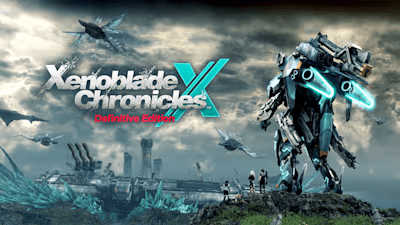
I felt a quiet urge to share my answer with you because, hidden within the mechanics of this world, I found a strange, beautiful praise for slowness—a theme so dear to our Cozy Island.
In the story of Xenoblade Chronicles X, a shadow has fallen over humanity. After an alien assault destroyed our home, Earth, a fragment of our species managed to escape aboard the White Whale. This vessel eventually found its resting place on a wild, vibrant planet named Mira, where a new sanctuary was built: New Los Angeles.
Yet, beneath the surface of this new life, a clock is ticking. We are searching for the Lifehold Core—the final vessel containing the essence of humanity—before the power fades forever. It is a world where anxiety could easily take root, where the weight of survival rests on the shoulders of the BLADE team, scouts and dreamers tasked with reclaiming what was lost.
As part of Elma’s team—a woman whose strength guided our very escape—we are thrust into this race against time. And yet, it is precisely in this rush that I found the need to stop, breathe, and choose who to walk this path with.
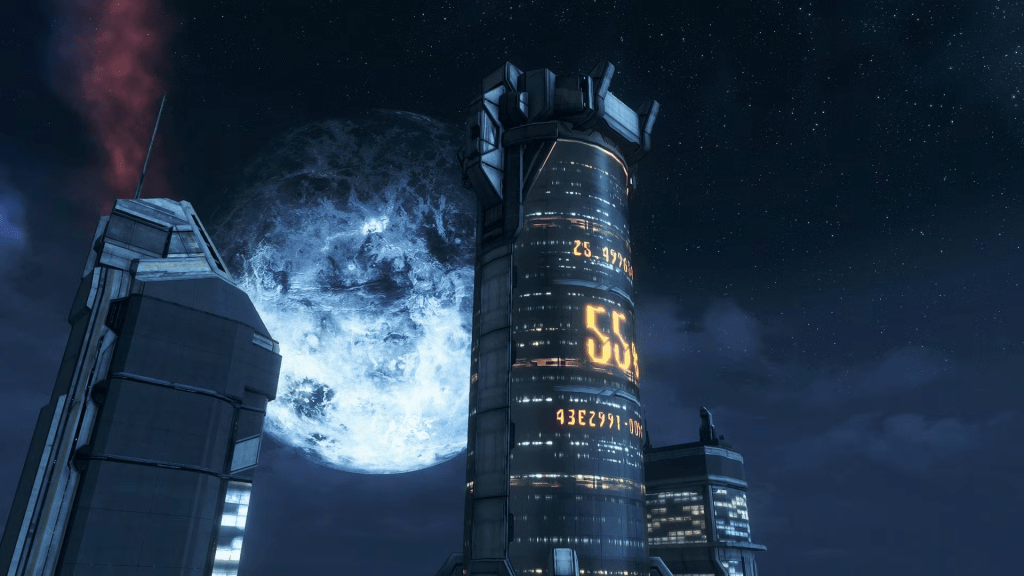
Even with a countdown constantly looming over us—ticking away on a massive tower in the administrative district of New Los Angeles—the game offers a gentle paradox. It allows us to spend all the time we wish in exploration, wandering through side missions that breathe life into the story of Mira.
As we travel through these diverse regions, we are met with landscapes so spectacular they steal our breath. In those moments of pure contemplation, a quiet ache arises: how is it possible that so little time remains for humanity? How can fate be so cruel, when the world around us is so incredibly beautiful?
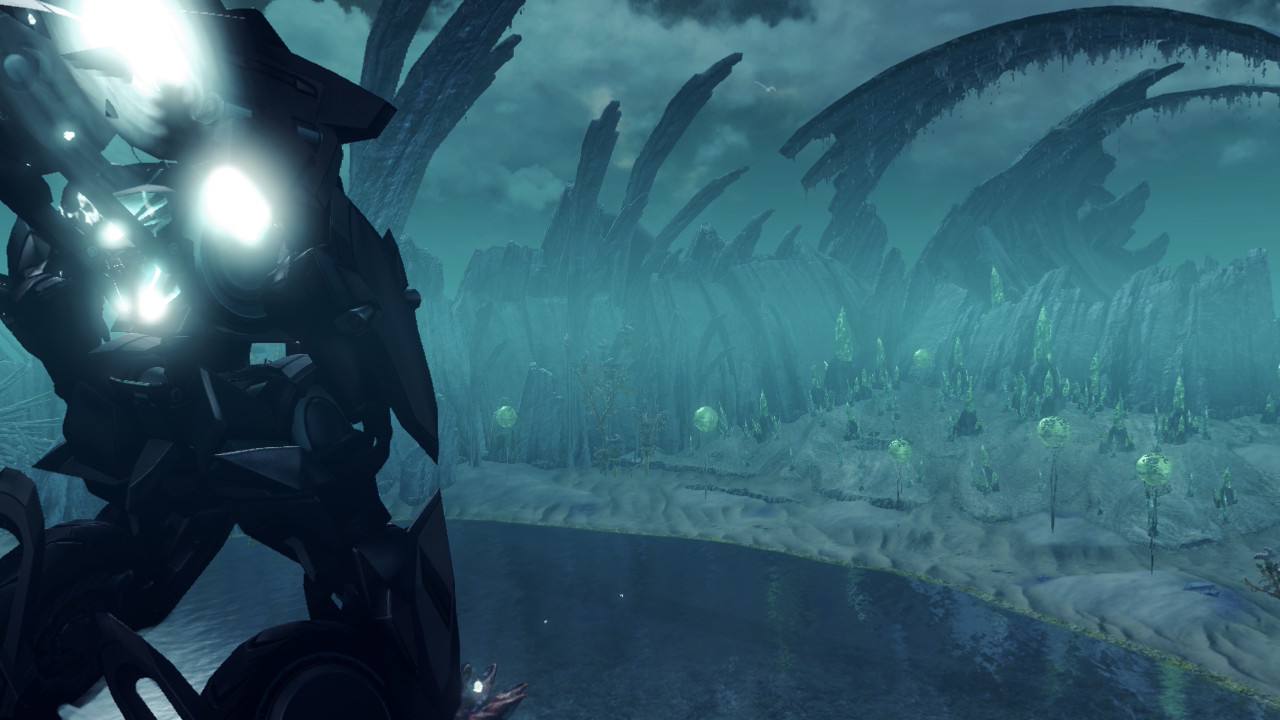
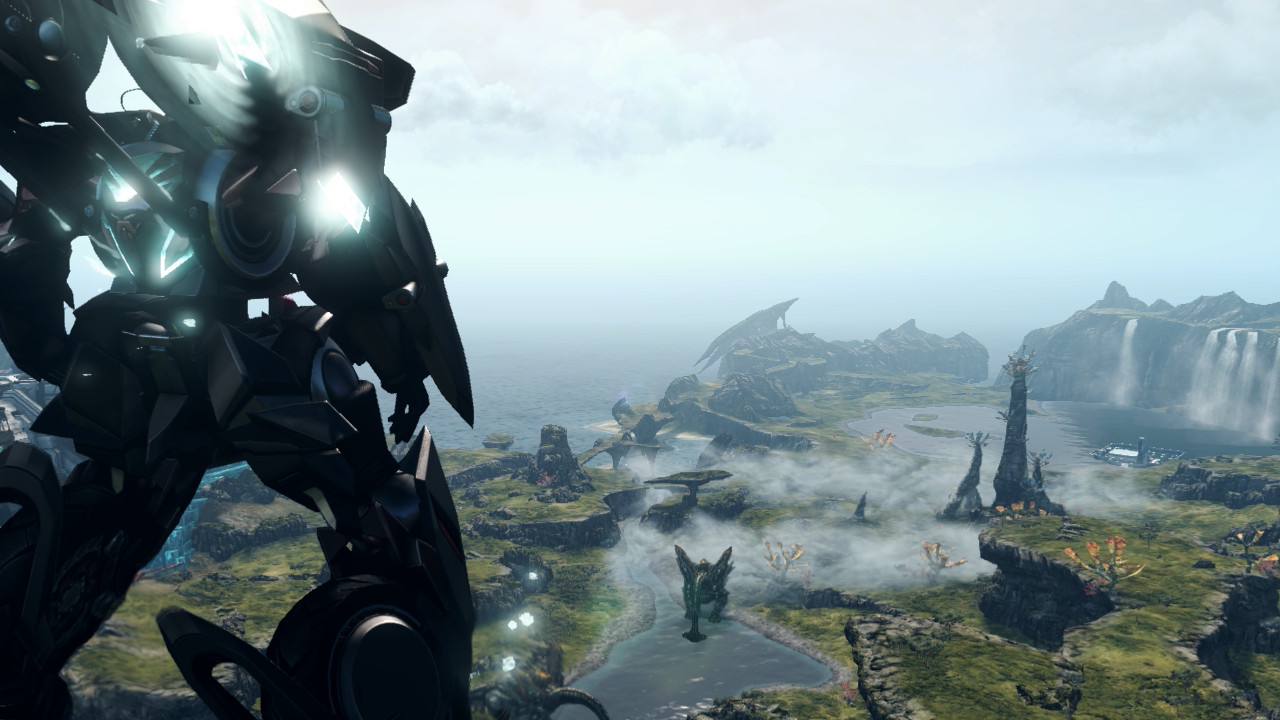
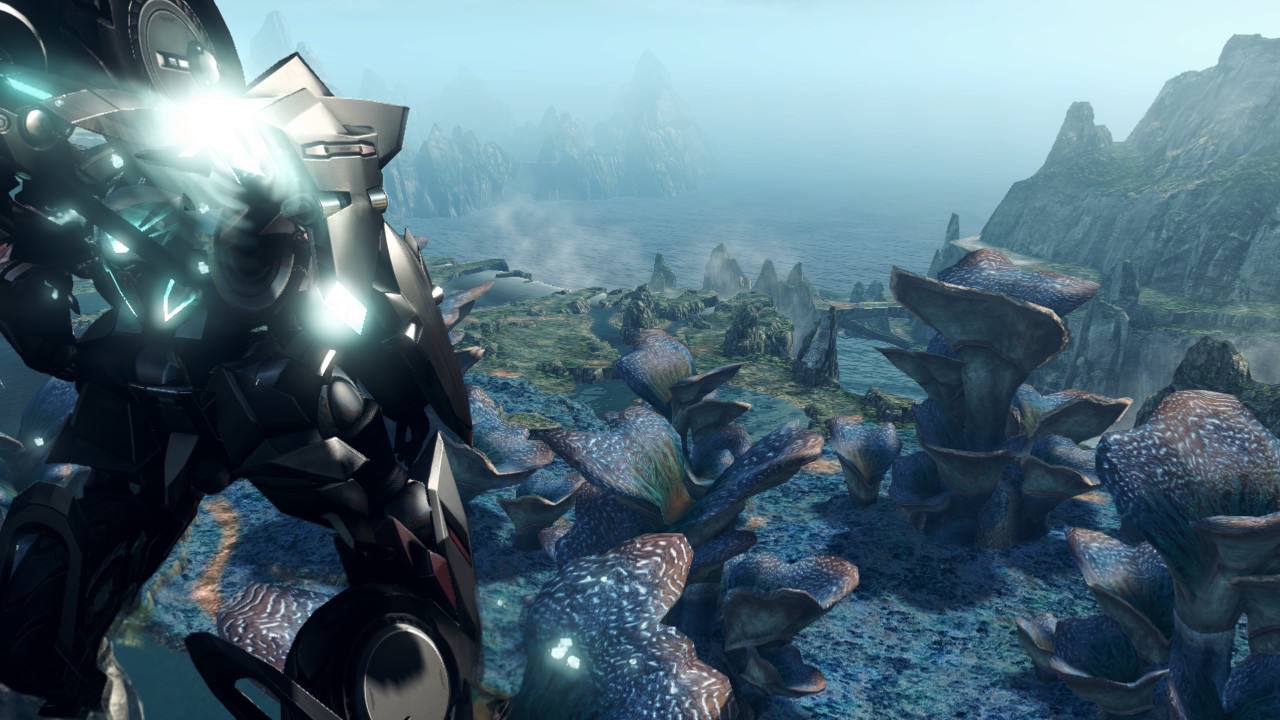
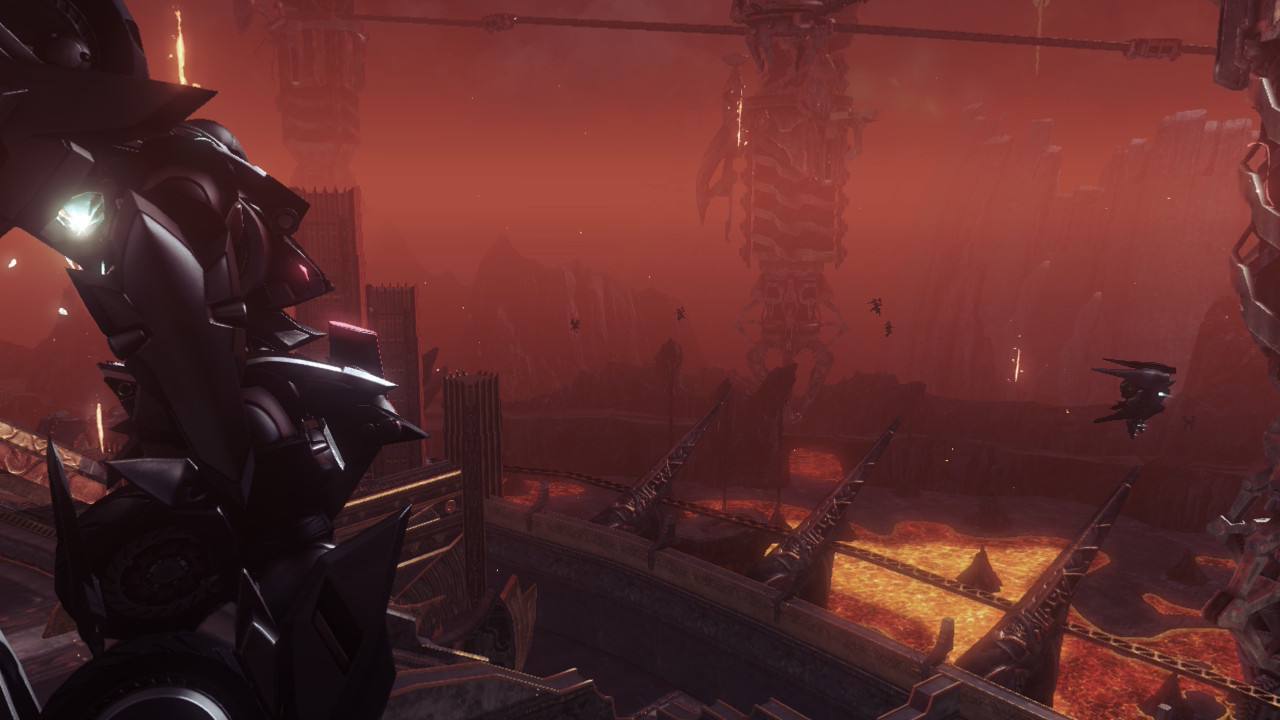
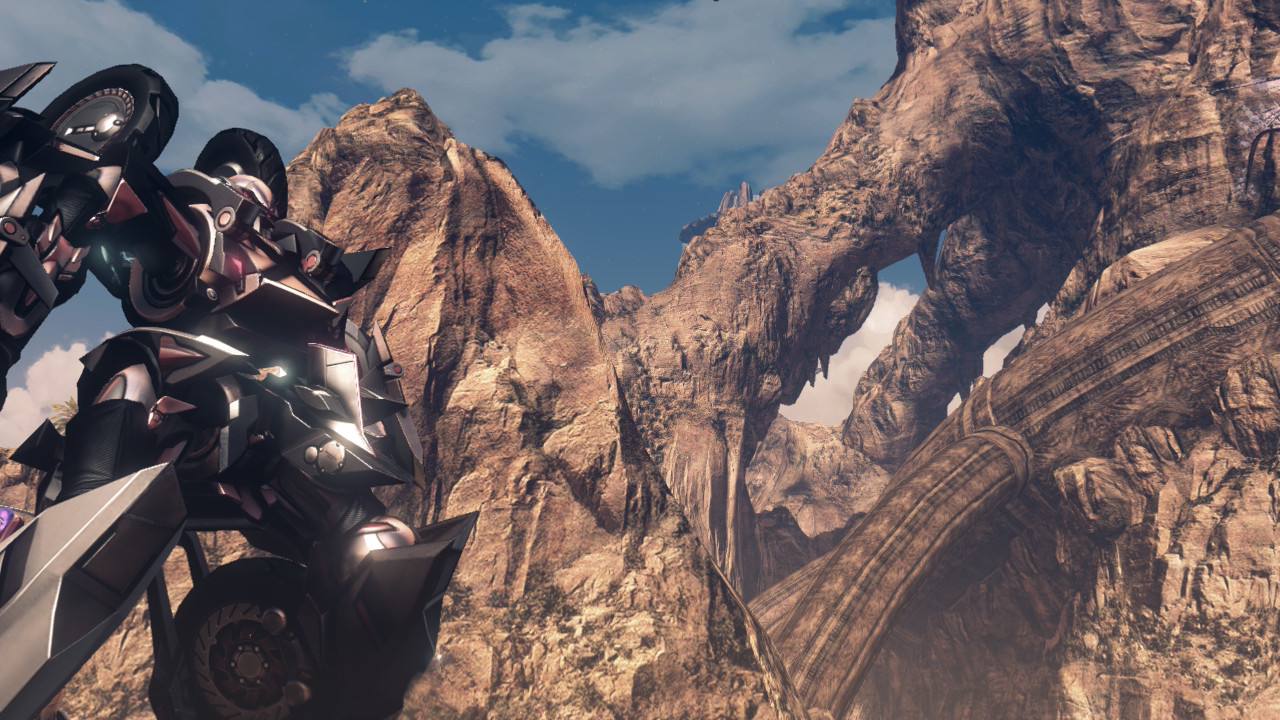
In the quiet spaces between missions, I spent countless hours simply wandering through the continents, gathering small treasures for my collections. These moments were framed by the delicate bonds woven with the inhabitants of New Los Angeles and the slow process of making the barracks feel like a home.
Though these interactions may seem brief, a fragment of a forgotten past hides within every conversation, whispering to our empathy. It’s through these shared stories that even the strangers we meet—the NPCs—begin to breathe, becoming an essential part of our own journey.
As the path unfolds, we are invited to welcome new companions into our circle, each one fascinating in their own light. To tell the story of every soul would perhaps feel too heavy, a list too long for a quiet afternoon. Instead, I’ve chosen to focus on the five who resonate most deeply with me—the ones who have found a permanent place at the top of my heart.
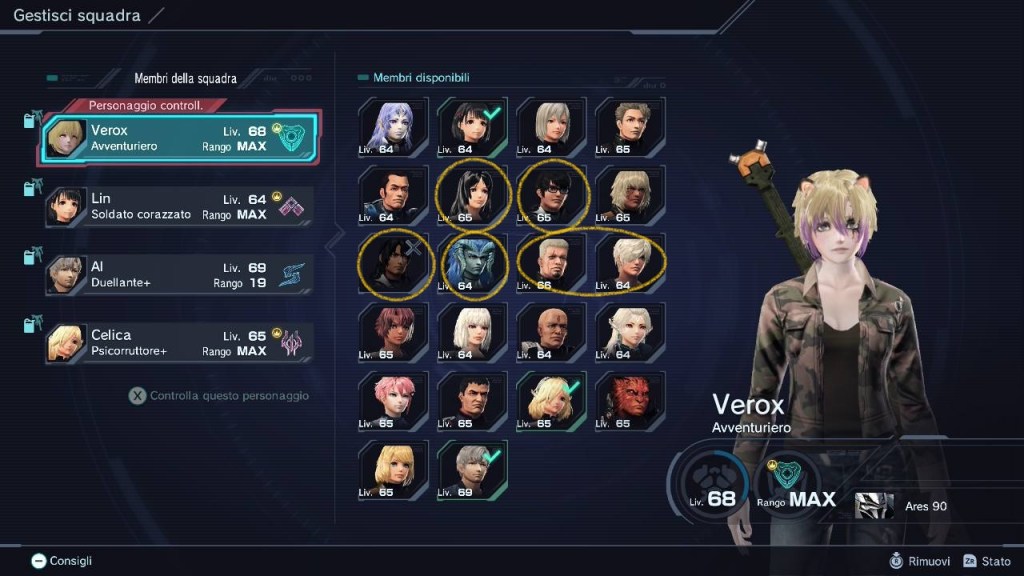
At the very top of my heart sits Lao. Throughout our journey, he is a complex, almost questionable presence, yet as the final chapters unfold, he reveals himself to be a soul of profound foresight and sensitivity.
Lao boarded the White Whale leaving his entire world behind—his family—with the crushing certainty that he would never see them again. There is a silent, beautiful bond between him and Lin; I’ve always liked to imagine that Lin found in him the father she lost, while Lao saw in her the daughter he left on Earth.
To me, Lao was always acutely aware that his actions could lead to the extinction of the human race. He seemed caught in a tide he wasn’t entirely sure he wanted to follow—a conflict of the soul that becomes heartbreakingly clear between chapters 11 and 12.
Unlike the others, Lao carries the weight of being trapped in an endless cycle. While everyone knows their existence depends on the Lifehold, to him, death feels like nothing more than a transition to a new Mimeosome—a restart without end that offers no peace.
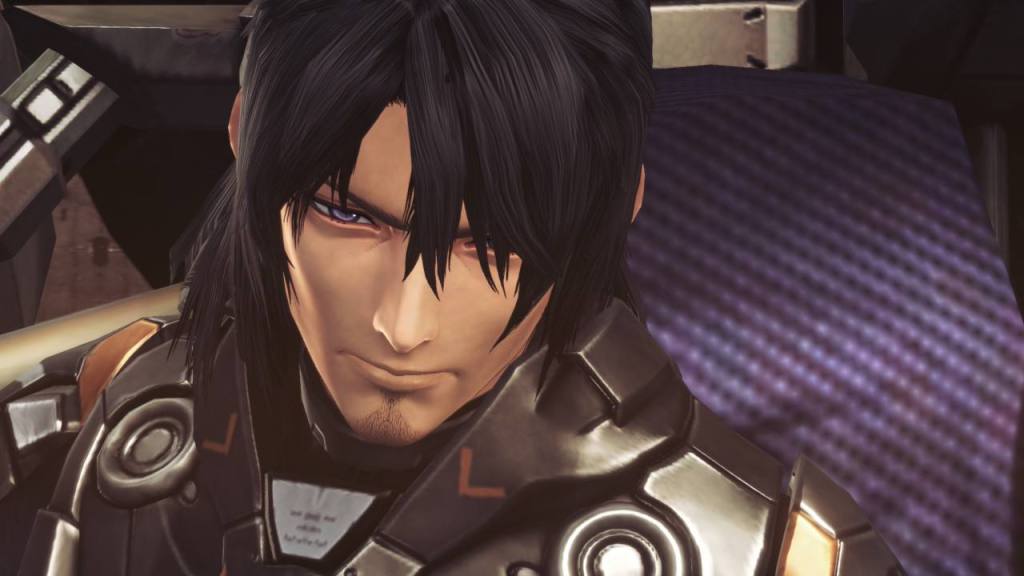
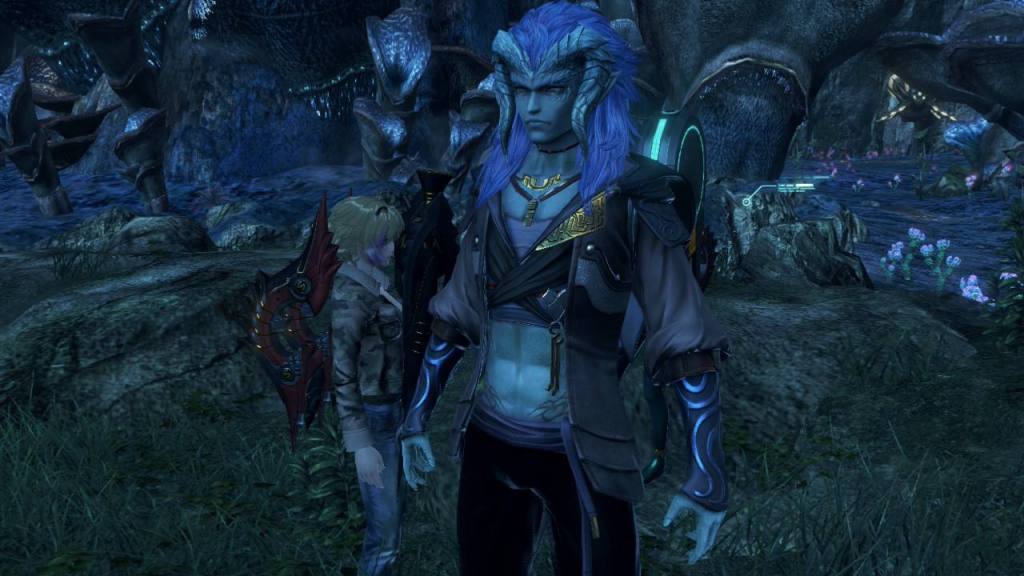
In second place is L, the first Xeno companion we encounter on our path. We meet him amidst the glowing flora of Noctilum, during our very first adventure with Lao.
Unlike us, L is a child of Mira. From the beginning, his origins remain a mystery—an unknown species with pale turquoise skin and horns that frame a face of ancient grace. His shoulder-length hair, a sea of blue with whispers of violet, and his golden eyes give him an ‘eerily statuesque’ presence. I fell in love with his design—so striking and beautifully extravagant.
There is a profound, almost innocent curiosity in the way L looks at humanity. He approaches us with an open heart, though he speaks of himself in the plural ‘we,’ as if he contains more than one soul. My favorite trait, however, is his peculiar way with words: he possesses a vast knowledge of human history and proverbs, yet he often tangles our idioms into charmingly imprecise phrases.
And because my heart has always belonged to the Nopon—my favorite race in the entire Xenoblade saga—I adored his connection to them. There is something deeply ‘cozy’ in the image of this towering, mysterious being crafting beautiful things and bartering them with the Nopon, simply in exchange for a warm meal.
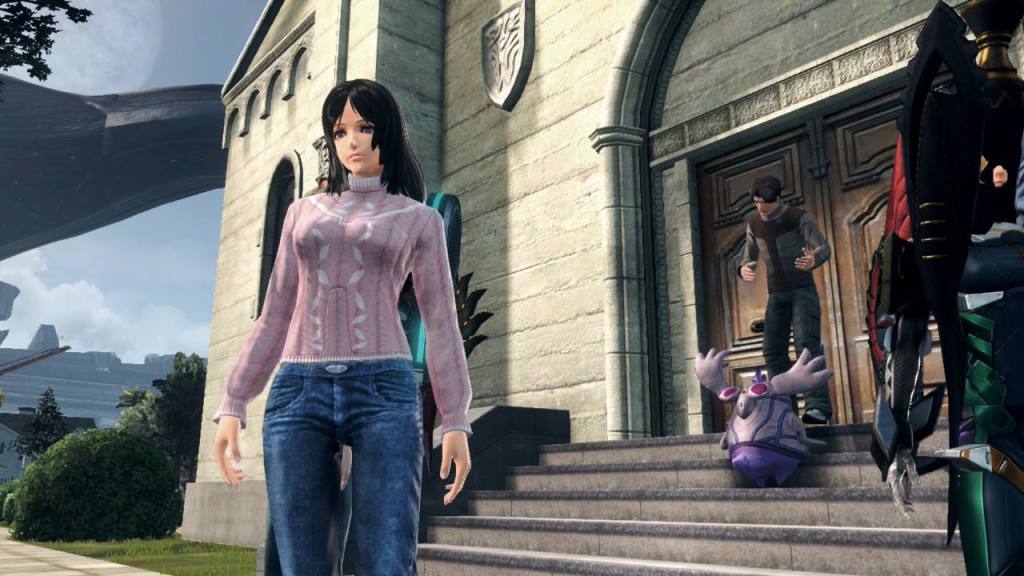
In the third spot, we find Hope, a soul defined by a boundless, magnanimous grace. She is the kind of person who reaches out to help others even when it costs her dearly, moving through Mira with a heart that knows no selfishness.
Her story is one of quiet resilience. Raised as an orphan in a church, she looked to the local priest as a father figure. When he was taken from her, she was left with an immense, echoing grief. Yet, instead of closing her heart, she chose to honor his memory through kindness. To Hope, helping others isn’t a duty—it’s a way to keep that lost light burning.
I began to truly cherish her, not just for the dignity she shows when faced with betrayal in her side story, but for how her very ‘essence’ translates into battle. In a world of conflict, Hope’s gameplay is purely altruistic. With her by your side, you are never short on TP—the lifeblood needed to raise fallen friends or ignite the group’s spirit. Her fighting style is a beautiful summary of her life: she exists to lift others up, ensuring that no one has to face the darkness alone.
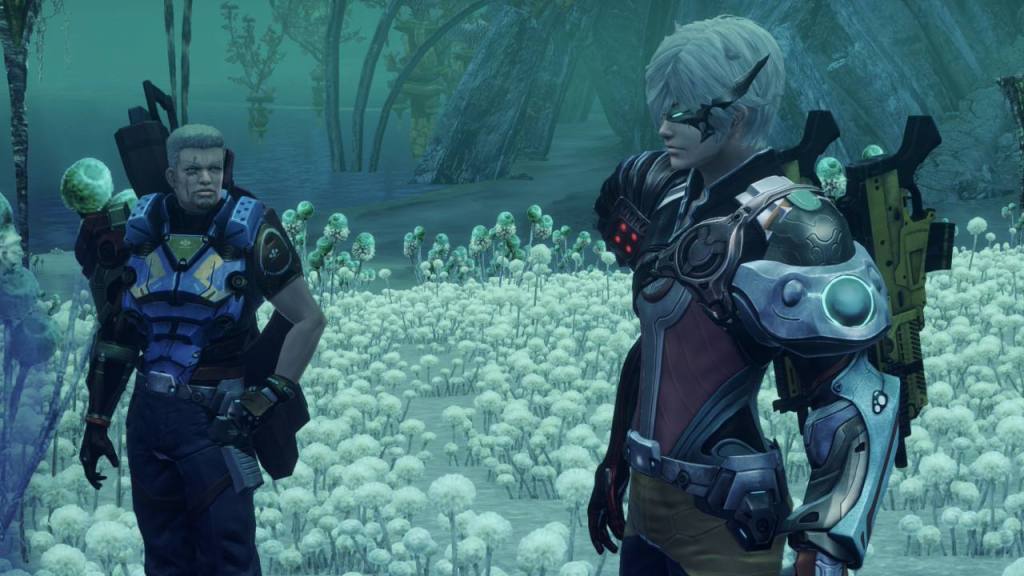
The fourth spot is a shared one, held by the brothers Frye and Phog. Their stories are so deeply intertwined that it feels impossible to embrace one without the other; to understand one is to empathize with both.
They are like sun and moon. Frye is bold, courageous, and perhaps a bit too fond of his drink—a man who wears his bravado like armor. Phog, on the other hand, is shy and drifting in a sea of insecurity. Between them lies a painful shadow: their father chose to step aside so that Phog could have a place on the White Whale. This sacrifice left Phog drowning in guilt, feeling unworthy compared to his ‘stronger’ brother, while Frye struggled with a silent, simmering resentment for the father he lost.
For a long time, their bond was a frayed thread. They wanted to find each other again, but they lacked the courage to untie the knots of their shared grief.
The turning point comes gently, during a journey where Phog finally proves his worth—not through aggression, but through his extraordinary, quiet creativity. It’s a moment of clarity where they realize they are perfectly complementary: Frye’s adventurous spirit motivates those around him, while Phog’s inner world offers a unique light. Seeing them rediscover their complicity in the final chapters is a beautiful lesson in resilience; it reminds us that healing is not about being perfect, but about finding where we fit in each other’s lives.
Finally, the fifth spot belongs to H.B., a man with an ego perhaps as vast as the White Whale itself. H.B. is unapologetically egocentric, navigating Mira with a rigid hierarchy of priorities. In the beginning, he might even turn his back on some to help those he deems more ‘essential’—though, like a garden tending to its own growth, he eventually matures past this cold outlook.
He is startlingly transparent about his ambition, often weighing how his interactions with us might further his path toward replacing Vandham as Commander. Yet, beneath this polished, narcissistic exterior beats a heart dedicated to the survival of humanity.
What I truly appreciate about H.B. is his brutal honesty. While he views emotions as obstacles to be mastered, he is not a hollow machine. In one intense moment, his stoic mask slips, revealing a deep, simmering anger at the senseless slaughter of the Nopon. It is in this struggle—the attempt to keep his feelings from overflowing while still caring deeply for the world—that H.B. becomes truly human. He reminds us that sometimes, the walls we build around our hearts are just another way of trying to protect what we love.
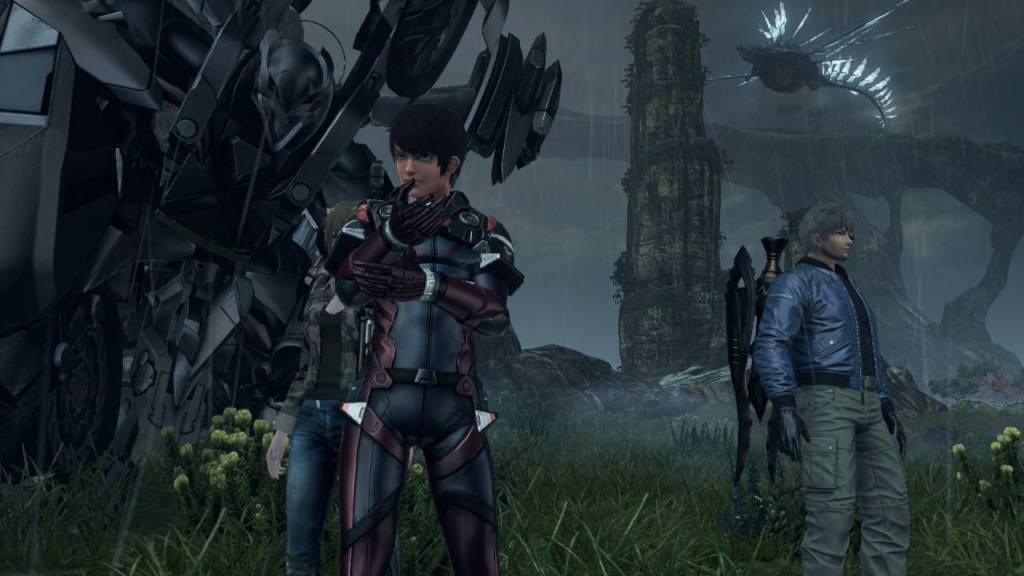
As I reach the end of this journey through my favorite souls of Mira, I find myself lingering not on the list itself, but on the quiet act of creating it. Writing this classification forced me to pause—to look closely at the characters I loved and ask myself, ‘Why them?’
It became a moment of profound introspection, a mirror held up to my own heart. I realized that choosing a favorite companion is often an act of projection: we see fragments of our own shadows, our own hopes, and our own struggles reflected in them. At the same time, we find in them the qualities we feel we lack—the strengths we wish to gather for ourselves.
I believe we all need these small ‘praises of slowness’ in our lives. Taking the time to understand why we are drawn to a certain story or a certain soul is a beautiful way to return to ourselves. It teaches us about our essence and helps us move through the world with a little more awareness, and a lot more grace.
In the end, digital escaping isn’t just about leaving our world behind; it’s about finding the keys to unlock the beauty hidden within our own.
 Return to Cozy Island
Leave a comment